WCEF 2026: Circular Economy, Digital Innovation & Data-Driven Decision-Making

18 September 2026 | Bengaluru, India
What does it take to move from circularity as an ambition to circularity as the way we build?
At the World Circular Economy Forum 2026 Accelerator Session in Bengaluru, CSTEP, in collaboration with Untrash and ETH Zürich, brought together perspectives on life cycle thinking, digital innovation and data-driven decision-making.
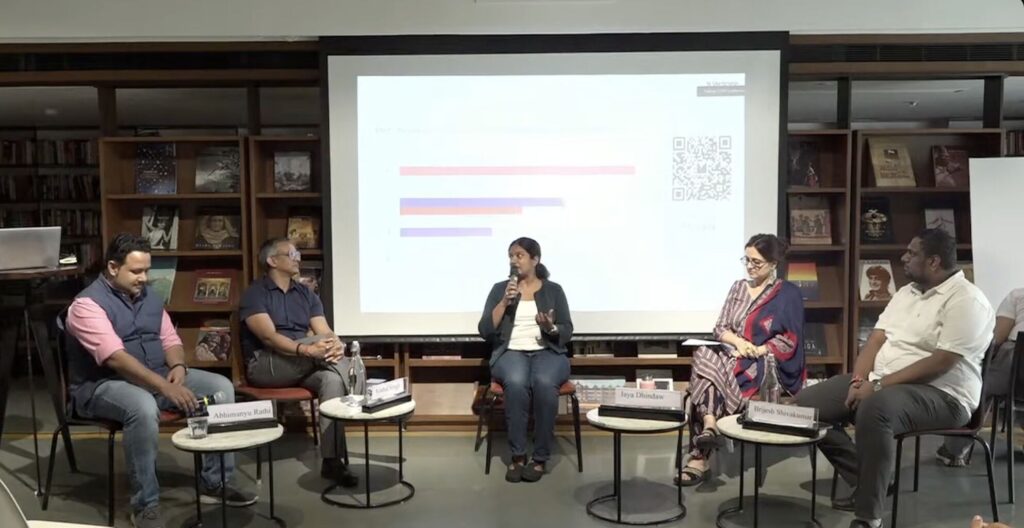
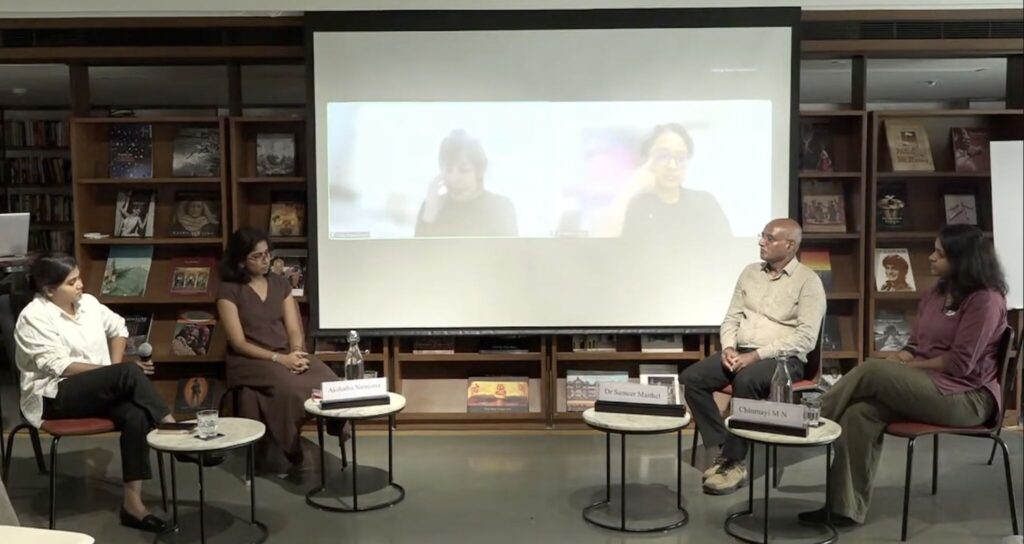
The session brought together three complementary themes:
Life cycle thinking. Digital innovation. Data-driven decision-making.
01 | Life cycle thinking: seeing the whole system
Circularity begins with understanding the system beyond what is immediately visible.
Looking beyond operational energy to embodied emissions, material flows and end-of-life can reveal challenges and opportunities that conventional approaches may miss.
The discussion also highlighted perspectives that are often less visible in traditional life cycle assessments, including informal recovery systems, labour and the agency of actors across the value chain.
The question therefore shifts from simply measuring impact to understanding where value, materials and responsibility move across the system.
02 | Digital innovation: technology as an enabler
GIS, AI, digital twins, material mapping and interoperable data systems are creating new ways to understand increasingly complex systems.
But technology is not the endpoint.
Its value ultimately depends on whether it helps people understand a problem, make a better decision or act differently.
For circular systems, that means digital tools need to connect information that is often fragmented across materials, products, suppliers, infrastructure and different stages of the lifecycle.
03 | Data-driven decisions: from information to action
Data becomes meaningful when it helps answer a real decision.
For circular solutions and new materials to move beyond demonstrations, businesses and practitioners need to understand questions around:
- Cost
- Scale
- Performance
- Traceability
- Regulation
- End-of-life
- User acceptance
Having the information is only one part of the challenge.
The bigger question is whether that information reaches the right person, at the right point in the decision-making process.
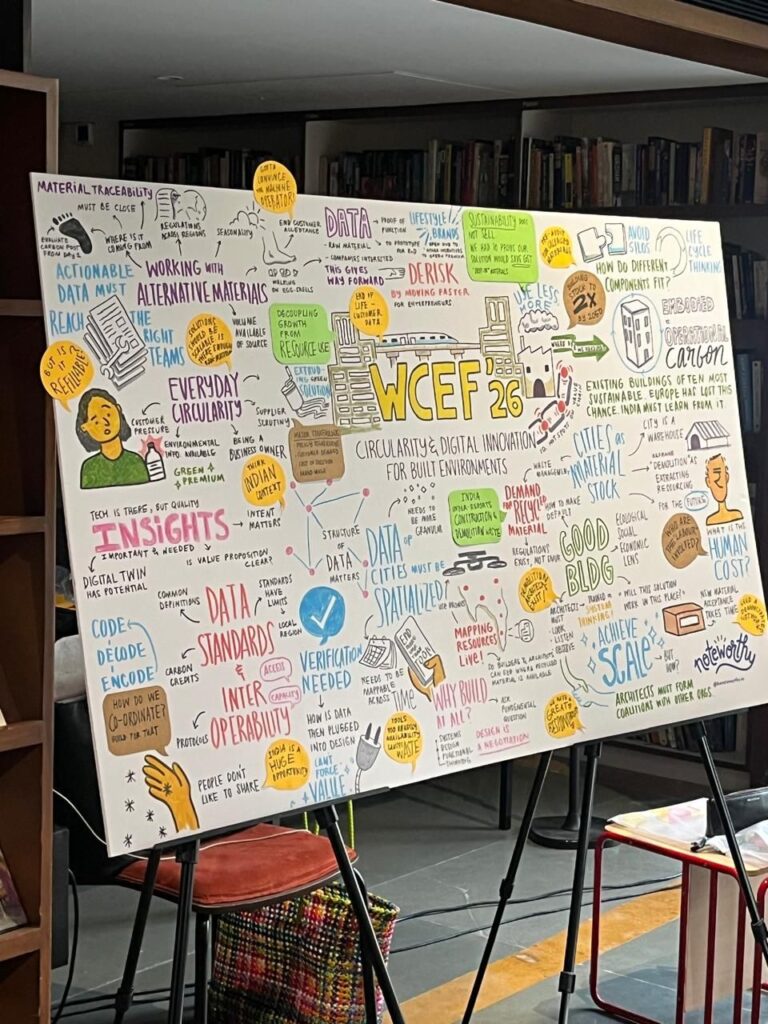
The Untrash conversation: what makes circular solutions adoptable?
Within the broader Accelerator Session, Untrash brought a product and material adoption lens to the conversation.
The conversation surfaced some very practical questions.
- Can the feedstock supply scale?
- Does the material meet the required performance?
- Can existing manufacturing infrastructure handle it?
- Does the economics work?
- Can the material meet regulatory requirements across markets?
- Can its environmental claims and end-of-life story be supported with reliable evidence?
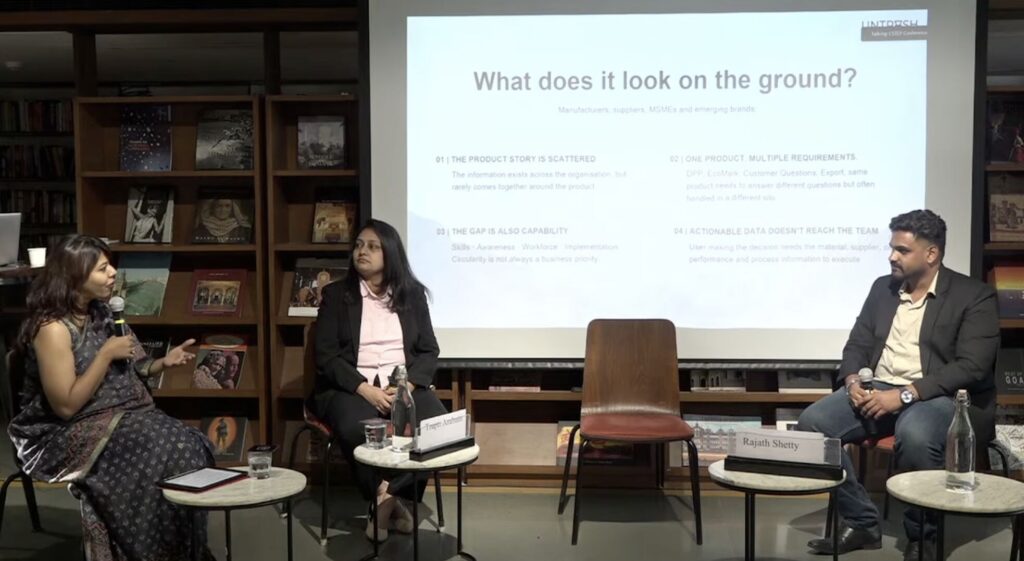
These questions do not belong to one team. R&D may need material and performance information. Procurement needs supplier, volume and cost information. Technical teams need validation. Manufacturing needs process compatibility. Leadership needs to understand the broader business case. A single product therefore creates multiple information needs across the organisation.
One product. Multiple decisions.
This is an important part of the problem Untrash is building around.
Product information, material information, supplier information and lifecycle information often exist, but across different teams, systems and documents.
The result is that different teams can end up working from different pieces of the same product story.
Our thesis is simple: product, material, supplier and lifecycle intelligence should not live in separate silos when the decisions are all connected.
Connecting this intelligence can help businesses move from environmental data that is simply reported to information that can actually support product decisions, circularity, procurement, compliance and climate communication.
From ambition to the way we build
The Accelerator Session brought together different perspectives, but they converged around a common challenge.
Circularity needs to move:
From principles to products.
From technology to practical use.
From information to decisions.
From isolated interventions to connected systems.
For Untrash, the conversation reinforced why product-level intelligence matters.
The transition to a more circular economy will depend not only on better ideas, materials and technologies, but on whether businesses can connect the information needed to make those ideas work in the real world.
That is the work we are continuing to build at Untrash.